Temporary business operations and pop-up events have become increasingly common in Melbourne. From short-term retail stores and product launches to exhibitions, promotional activations, seasonal markets, corporate events, and temporary warehouses, businesses frequently operate from locations that are only used for a limited period.
Although these operations may be temporary, their security requirements should not be overlooked. Temporary locations can involve valuable products, equipment, cash, customer information, employees, contractors, and large numbers of visitors. Because the environment may be unfamiliar and security infrastructure may be limited, businesses need practical measures to protect people and property.
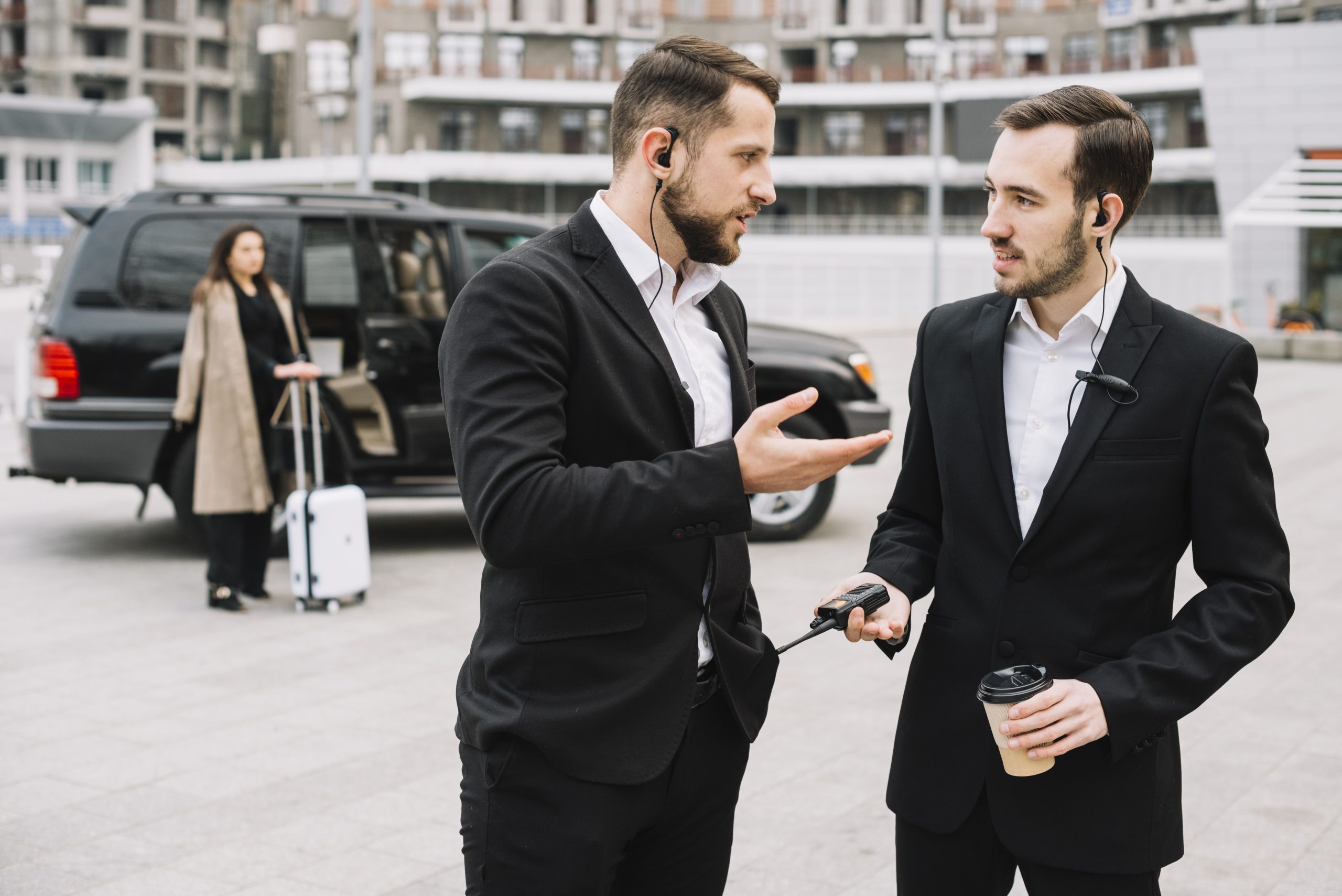
This is one reason many businesses choose to Hire Security Guards Melbourne for temporary operations. Professional security personnel can provide a visible presence, manage access points, monitor activity, support crowd control, conduct patrols, and respond to security concerns according to established procedures.
For temporary events in particular, Event Security Guards Melbourne can help organisers manage entrances, queues, restricted areas, guest movement, and other security requirements.
Understanding Security Risks at Temporary Business Locations
Permanent commercial properties often have established security systems, including CCTV cameras, alarm systems, access-control technology, fencing, secure doors, and trained employees who understand the site.
Temporary locations may not have the same level of infrastructure.
A pop-up shop might operate inside a previously unused retail space. A product launch may take place in a hired venue. A promotional event could be held outdoors. A temporary warehouse may be established to support seasonal demand.
Each situation creates different security considerations.
Potential risks can include:
- Unauthorised access
- Theft of products or equipment
- Vandalism
- Trespassing
- Disruptive behaviour
- Uncontrolled crowds
- Unauthorised photography or access to restricted areas
- Workplace conflicts
- Vehicle and pedestrian congestion
- Security issues outside normal operating hours
A professional security presence can help businesses identify and manage these risks.
1. Security for Short-Term Retail Pop-Ups
Pop-up shops allow businesses to showcase products without committing to a permanent retail location.
These temporary stores may contain valuable merchandise, displays, technology, promotional materials, and payment equipment.
Security guards can monitor entrances and exits, observe customer activity, and help protect stock.
Their presence can also help employees focus on customer service rather than having to divide their attention between sales and security concerns.
Depending on the business’s requirements, guards may work during opening hours, after closing, or during both periods.
2. Protecting Product Launches
Product launches can attract customers, media representatives, business partners, influencers, and other guests.
A successful launch requires careful coordination, and unexpected security problems can quickly disrupt the experience.
Security personnel can help manage guest entry, monitor restricted areas, and protect products or equipment used during the launch.
For high-profile launches, organisers may also establish separate access areas for staff, VIP guests, media, contractors, and general attendees.
Security guards can help maintain these distinctions throughout the event.
3. Managing Event Entry Points
Entry management is one of the most important responsibilities at many pop-up events.
Depending on the event, guests may need tickets, invitations, identification, registration confirmation, or other credentials.
Event Security Guards Melbourne can assist with managing entrances and directing attendees toward appropriate areas.
Their responsibilities may include:
- Monitoring entry points
- Managing queues
- Directing guest
- Supporting ticket-checking procedures
- Protecting restricted entrances
- Monitoring re-entry
- Reporting unusual activity
- Keeping emergency access routes clear
A well-managed entrance can improve both security and the visitor experience.
4. Controlling Crowds
Pop-up events can sometimes attract more visitors than expected.
A promotional activation that receives significant public attention may experience sudden increases in attendance. Similarly, product launches, exhibitions, and seasonal events can create periods of heavy foot traffic.
Security guards can help manage crowd movement by directing visitors and monitoring areas where congestion is developing.
If a queue becomes too long or an area becomes crowded, security personnel can communicate with event management and assist with implementing the established crowd-management plan.
5. Protecting Employees and Contractors
Security is not only about protecting physical assets.
Employees, contractors, suppliers, performers, and other people working at temporary locations also need a secure working environment.
Because temporary teams may include people who have never worked together before, access procedures can sometimes be less familiar.
Security guards can help monitor access and provide a point of contact for employees who encounter security concerns.
They can also help enforce site-specific procedures established by management.
6. Monitoring Valuable Equipment
Temporary events frequently require businesses to bring equipment to a location.
This might include:
- Computers
- Audio equipment
- Lighting
- Cameras
- Displays
- Payment terminals
- Promotional equipmen
- Furniture
- Tools
- Exhibition materials
Some equipment may remain at the venue overnight.
Security guards can provide an additional layer of protection by monitoring the premises, conducting patrols, and reporting suspicious activity or property damage.
7. Supporting After-Hours Security
A temporary business location may be particularly vulnerable after closing.
Employees leave, public activity decreases, and valuable products or equipment may remain inside.
Businesses can Hire Security Guards Melbourne to provide after-hours coverage when required.
Security personnel may conduct scheduled patrols, monitor entrances, check doors and windows, and report issues to designated contacts.
This can be useful when a temporary operation runs for several days or weeks and valuable assets remain at the site overnight.
8. Protecting Restricted Areas
Not every part of a pop-up event should be accessible to every visitor.
Back-of-house areas may contain inventory, equipment, staff belongings, confidential information, or operational materials.
Security guards can monitor restricted areas and help ensure that only authorised individuals enter.
For example, an exhibition may have a public display area and a separate storage room for valuable products. Security personnel can help maintain separation between these areas.
9. Supporting VIP Access
Some temporary events include VIP guests, executives, speakers, performers, or invited business partners.
These individuals may require dedicated entrances or restricted access routes.
Security guards can help direct authorised VIP guests and prevent unauthorised individuals from entering designated areas.
The goal is to maintain appropriate access control while allowing the event to operate smoothly.
10. Monitoring Deliveries and Contractors
Temporary operations often rely on suppliers and contractors.
A pop-up shop may receive product deliveries, while an event may require catering companies, staging contractors, electricians, audio technicians, cleaners, or promotional teams.
With many external parties arriving at different times, it can become difficult to monitor who is authorised to access the site.
Security personnel can help manage designated delivery points and direct contractors according to the event’s procedures.
This can reduce confusion and help maintain better control over the premises.
11. Supporting Parking and Vehicle Access
Some temporary events attract a significant number of vehicles.
Guests, staff, suppliers, contractors, and delivery drivers may all require access to the property.
Security guards can help direct vehicles toward designated areas and keep restricted zones clear.
They can also help separate vehicle and pedestrian movement where appropriate.
Effective vehicle management can reduce congestion and contribute to a more organised event environment.
12. Responding to Incidents
Unexpected incidents can happen at any business operation, regardless of how long it is scheduled to run.
A security officer can provide an immediate on-site point of contact when an incident occurs.
Depending on the situation and their authority, security personnel may:
- Assess the immediate circumstances
- Notify event or business management
- Follow established incident procedures
- Contact emergency services when appropriate
- Secure an affected area
- Assist with access control
- Document relevant details
Security personnel should operate within their training, legal authority, and the procedures established for the particular site.
13. Supporting Emergency Procedures
Temporary venues need emergency plans just like permanent businesses.
Potential emergencies can include fires, medical incidents, severe weather, power outages, property damage, or other unexpected events.
Security personnel can support established emergency procedures by helping manage access points, directing people according to the venue’s plan, and keeping emergency routes clear.
They can also communicate with management and emergency services as required.
Security guards do not replace firefighters, paramedics, police, or other emergency professionals. Instead, they can complement the wider emergency response process.
14. Providing a Professional First Impression
Security personnel can also contribute to how a temporary business or event is perceived.
At a corporate function, product launch, exhibition, or premium retail activation, professional security officers can provide a visible and organised presence.
They can welcome and direct visitors while maintaining appropriate security procedures.
Professional communication is particularly important because security staff frequently interact directly with customers and guests.
A respectful and helpful approach can support a positive overall visitor experience.
15. Adapting Security to Different Event Types
One advantage of professional security services is flexibility.
Different temporary operations have different requirements.
For example:
A pop-up retail store may require theft prevention, access monitoring, and after-hours security.
A product launch may need guest screening, VIP access management, and protection of products or displays.
An exhibition may require crowd management, restricted-area monitoring, and contractor access control.
A temporary warehouse may require perimeter patrols, vehicle access management, and inventory protection.
A corporate event may need entrance management, guest assistance, and monitoring of restricted areas.
Security coverage can be structured around the nature, size, schedule, and location of the operation.
16. Combining Security Guards With Technology
Technology can strengthen temporary security arrangements.
Businesses may use CCTV cameras, alarms, access-control systems, electronic locks, ticket scanners, and other technologies.
However, temporary sites may not always have permanent security infrastructure.
Mobile surveillance equipment or temporary CCTV systems can be combined with physical security personnel where appropriate.
A security guard can monitor the site directly while also responding to alerts or observing surveillance systems.
This layered approach can provide broader coverage than relying on a single security measure.
17. Conducting Security Patrols
Patrols can be useful for temporary business locations where continuous static security coverage is not necessary.
Security officers may periodically inspect:
- Entrances
- Doors and windows
- Perimeter areas
- Storage locations
- Car parks
- Equipment areas
- Loading zones
Patrol schedules can be designed around the operating hours and risk profile of the temporary location.
Regular patrols can also help identify physical issues such as damaged locks, unsecured doors, broken fencing, or inadequate lighting.
18. Reducing the Risk of Theft
Temporary businesses may carry valuable inventory without having the same security infrastructure as established retail or commercial sites.
A visible security presence can help discourage opportunistic theft.
Security guards can monitor customer areas, entrances, exits, storage zones, and other vulnerable locations.
They can also report suspicious activity according to the business’s procedures.
Security should ideally be combined with inventory controls, appropriate storage, CCTV, staff awareness, and other loss-prevention measures.
19. Maintaining Incident Records
Accurate documentation can be useful during temporary operations.
Security personnel can record incidents, unusual activity, property damage, access issues, and other relevant observations.
These reports can help business owners and event organisers understand what occurred during the operation.
They may also provide useful information for future events.
For example, if a particular entrance repeatedly experiences congestion, management can adjust the entry layout or staffing arrangements during the next event.
20. Flexibility for Short-Term Requirements
One of the main reasons businesses use professional security services for temporary operations is flexibility.
A company may only need security for:
- One day
- A weekend
- Several weeks
- A seasonal period
- Specific event hours
- Overnight periods
- Product launch dates
- Setup and pack-down periods
This allows businesses to obtain security coverage around specific operational requirements rather than necessarily establishing a permanent security arrangement.
The appropriate staffing model depends on factors such as attendance, site size, operating hours, access points, and the nature of the business activity.
21. Security During Setup and Pack-Down
Security requirements do not necessarily begin when customers arrive.
Setup and pack-down periods can also involve significant activity.
During setup, contractors may bring valuable equipment, displays, merchandise, and technical equipment onto the site.
During pack-down, valuable items may be moved out of the venue.
Security personnel can help monitor these periods, manage access, and report unusual activity.
This can help protect assets throughout the entire temporary operation rather than only during public opening hours.
22. Choosing the Right Security Provider
Businesses planning a temporary operation should consider several factors when selecting a security provider.
These can include:
- Relevant licensing and qualifications
- Experience with commercial or event environments
- Communication procedures
- Availability
- Insurance
- Ability to provide short-term coverage
- Experience with crowd management
- Incident reporting processes
- Understanding of the venue
- Ability to scale staffing according to requirements
Organisers should communicate their expectations clearly before the operation begins.
A pre-event briefing can help security personnel understand entry points, restricted areas, emergency procedures, reporting lines, and other important details.
23. Creating a Security Plan Before the Event
Good preparation can make temporary security more effective.
Before the operation begins, management and security providers can review:
- Venue layout
- Number of entrances
- Expected attendance
- Operating hours
- Valuable assets
- Restricted areas
- Staff access
- Contractor access
- Emergency exits
- Vehicle access
- Security technology
- Communication procedures
- Incident escalation processes
This allows security personnel to understand the site and their responsibilities before attendees arrive.
Conclusion
Temporary business operations and pop-up events may only last for a few hours, days, or weeks, but they can still involve significant security risks. Valuable products, equipment, employees, contractors, customers, and visitors all need appropriate protection.
Businesses that Hire Security Guards Melbourne can establish a professional security presence tailored to the specific needs of their temporary operation. Security personnel can assist with access-up retail store, product launch, exhibition, promotional activation, corporate gathering, temporary warehouse, or seasonal business operation, professional-free. A carefully planned security strategy can help businesses protect their people and assets while allowing employees and event control, crowd management, patrols, asset protection, incident reporting, emergency procedures, and after-hours monitoring.
For temporary events, Event Security Guards Melbourne can be particularly useful in managing entrances, queues, VIP areas, restricted zones, vehicle access, and general crowd movement.
The key to effective temporary security is planning. By assessing the venue, identifying potential risks, establishing clear responsibilities, and selecting appropriately trained security personnel, businesses can create a more organised and controlled environment.
Whether the requirement is for a pop-up retail store, product launch, exhibition, promotional activation, corporate gathering, temporary warehouse, or seasonal business operation, professional security can provide flexible support for the duration of the project.
Ultimately, temporary does not mean risk-free. A carefully planned security strategy can help businesses protect their people and assets while allowing employees and event teams to focus on delivering a successful operation.