Organising a successful event involves much more than selecting a venue, arranging entertainment, and promoting the occasion. One of the most important aspects of event management is controlling who enters the venue and ensuring that guests, staff, contractors, performers, and authorised personnel can move through entry points safely and efficiently.
Whether it is a corporate function, concert, sporting event, exhibition, festival, private gathering, or community event, entry management can have a significant impact on the overall experience. Long queues, unauthorised access, overcrowding, confusion, and inadequate screening can create safety concerns and disrupt the event.
This is where Event Security Guards Melbourne can provide valuable support. Trained security personnel can help manage entrances, monitor queues, verify access credentials, direct attendees, identify potential issues, and respond to incidents according to established procedures.
By combining professional security personnel with appropriate technology and well-designed entry procedures, event organisers can create a more organised and controlled environment.
Why Entry Point Management Matters at Events
The entrance is often the first point of interaction between attendees and an event. If entry procedures are poorly organised, guests may experience delays and frustration before they even enter the venue.
At the same time, event organisers need to ensure that only authorised individuals gain access to areas such as VIP sections, backstage facilities, staff rooms, restricted storage areas, and operational zones.
Large events can have thousands of attendees arriving within a short period. This creates a significant challenge for event management teams.
Effective entry-point management can help with:
- Controlling access to the venue
- Reducing congestion
- Directing attendees to appropriate entrances
- Checking tickets or credentials
- Protecting restricted areas
- Monitoring queues
- Identifying unusual behaviour
- Supporting emergency procedures
- Maintaining orderly movement through entry points
Professional security guards can play an important role in coordinating these activities.
1. Establishing a Visible Security Presence
One of the simplest ways security personnel can support entry management is by providing a visible presence.
When attendees see trained security officers positioned around entrances, they know that access procedures are actively monitored.
Security guards can be positioned at:
- Main entrances
- Secondary entrances
- VIP entrances
- Staff entrances
- Backstage access points
- Vehicle gates
- Emergency access routes
- Restricted-area entrances
Their presence can help discourage attempts to bypass established access procedures while giving attendees a clear point of contact if they have questions or need assistance.
2. Managing Queues Efficiently
Large crowds can quickly create long queues at event entrances.
Without appropriate crowd management, people may gather across walkways, block entrances, or become confused about where they should go.
Event Security Guards Melbourne can help organise queues by directing attendees to designated lines and keeping access routes clear.
Security personnel can also identify when one entrance is becoming congested and communicate with event management about possible adjustments.
For example, if one ticketing gate is experiencing significantly higher demand than another, security officers may direct attendees toward alternative entry points where appropriate.
Efficient queue management can improve the visitor experience while supporting safer crowd movement.
3. Checking Tickets and Credentials
Depending on the event, entry may require tickets, identification, wristbands, passes, staff credentials, or other forms of authorisation.
Security guards can work alongside ticketing staff to support access-control procedures.
Their role may include observing entry activity, identifying people attempting to access restricted areas, and directing individuals to the appropriate verification point.
For events with different access levels, security personnel can help maintain separation between general admission areas and restricted sections.
For example, a conference may have separate access arrangements for attendees, exhibitors, speakers, contractors, and event staff.
Clear access procedures can help reduce confusion and prevent unauthorised entry.
4. Separating Different Types of Attendees
Many events have multiple categories of guests.
These might include:
- General attendees
- VIP guests
- Performers
- Speakers
- Media representatives
- Contractors
- Vendors
- Event staff
- Security personnel
- Volunteers
Each group may have different access requirements.
Security guards can help direct people to the appropriate entrance and ensure that restricted access points are used only by authorised individuals.
This can make the overall entry process more structured and prevent people from entering areas where they do not have permission to be.
5. Monitoring Restricted Entry Points
Not every entrance at an event is intended for general attendees.
Backstage doors, loading docks, staff entrances, equipment areas, and emergency exits may require additional protection.
Security guards can monitor these locations and verify access according to event procedures.
For example, a concert may have a public entrance for ticket holders and separate access points for performers and production staff. Security personnel can help ensure that these different access routes remain controlled.
This approach can help protect equipment, performers, staff, and other sensitive areas of the venue.
6. Supporting Crowd Flow
Entry management is closely connected to crowd flow.
When large numbers of people arrive simultaneously, attendees need clear directions to avoid bottlenecks.
Security guards can help direct people toward:
- Ticket scanning areas
- Bag-check stations
- Seating sections
- Information desks
- VIP entrances
- Accessible entrances
- Waiting areas
By actively monitoring crowd movement, security personnel can identify developing congestion and notify event management.
This is particularly important for venues with narrow entrances, multiple levels, or complex layouts.
7. Helping Identify Unusual Behaviour
Security personnel are trained to observe their surroundings and report behaviour that may require attention.
At an entry point, this could include someone attempting to enter without appropriate credentials, repeatedly trying to bypass screening, or creating a disturbance.
Security guards can follow established procedures for addressing such situations.
Their role should focus on maintaining safety, following applicable laws and venue policies, communicating clearly, and escalating incidents when required.
Early identification of problems can help prevent relatively minor issues from disrupting the wider event.
8. Managing Bag Checks and Screening Areas
Some events may have security screening requirements.
Depending on the venue and event policies, screening may involve checking bags, prohibited items, tickets, identification, or other requirements.
Security guards can help organise the screening area by directing attendees into appropriate queues and ensuring that the process remains orderly.
They can also communicate venue rules to attendees and refer questions or concerns to the appropriate event staff.
Clearly communicated screening procedures can reduce confusion and help attendees understand what is expected before they reach the entrance.
9. Supporting Emergency Access
Emergency exits and emergency vehicle access routes must remain clear.
During busy events, attendees may unintentionally gather near areas that need to remain accessible for emergency services.
Security guards can monitor these areas and redirect people when necessary.
They can also help maintain access routes for authorised emergency personnel.
Having trained security personnel familiar with the venue layout and emergency procedures can provide additional support if an incident occurs.
10. Handling Entry Disputes Professionally
Entry disputes can occur for many reasons.
A visitor may have an invalid ticket, arrive at the wrong entrance, misunderstand access restrictions, or believe they should be permitted into a particular area.
Security personnel can help manage these situations calmly and professionally.
Rather than allowing a disagreement to block an entrance or affect other guests, security guards can direct the individual to event management, ticketing staff, or another designated point for resolution.
This helps keep the main entry flow moving while ensuring that disputes are addressed through appropriate channels.
11. Supporting VIP and Special Access Arrangements
Some events require dedicated access arrangements for VIP guests, executives, performers, speakers, or other authorised individuals.
Security guards can monitor designated VIP entrances and ensure that access procedures are followed.
They may also assist with directing authorised guests toward designated areas while preventing unauthorised individuals from entering restricted zones.
This can be particularly important at high-profile corporate functions, entertainment events, conferences, and private gatherings.
12. Managing Vehicle Entry Points
Not all event entry points are designed for pedestrians.
Large venues may have vehicle entrances for:
- Staff
- Contractors
- Suppliers
- Performers
- Emergency services
- Delivery vehicles
- Event production teams
Security guards can monitor these vehicle access points and help maintain separation between pedestrian and vehicle traffic.
They may verify vehicle access permissions, direct drivers to designated areas, and prevent unauthorised vehicles from entering restricted zones.
Effective vehicle access management can reduce congestion and help maintain safer movement around the venue.
13. Supporting Accessible Entry
Event organisers need to consider accessibility when planning entry arrangements.
People with disabilities, older attendees, families with young children, and others may require alternative access routes or additional assistance.
Security personnel can help direct attendees toward accessible entrances and keep those routes clear.
A professional approach ensures that security procedures support the event’s access requirements without creating unnecessary barriers.
14. Coordinating With Event Management Teams
Security guards are generally one part of a broader event management operation.
They may work alongside:
- Event organisers
- Venue management
- Ticketing teams
- Ushers
- Volunteers
- Medical personnel
- Emergency services
- Parking teams
- Contractors
Clear communication between these groups is essential.
Security officers can report crowd conditions, access issues, incidents, and other observations to the appropriate event supervisors.
When communication channels are established before the event, teams can respond more efficiently when circumstances change.
15. Using Technology Alongside Security Personnel
Modern event entry management often involves technology.
Event organisers may use electronic ticket scanners, QR codes, access-control systems, CCTV cameras, handheld devices, electronic gates, and other technologies.
These tools can speed up verification and provide useful information.
However, technology may not be enough on its own.
For example, a ticket scanner can identify whether a code is valid, but a security guard can help manage the surrounding queue, direct attendees, respond to disputes, and observe the broader environment.
Combining technology with trained Security Guards Melbourne can provide a more comprehensive entry-management solution.
16. Managing Peak Arrival Times
Events often experience predictable periods of high attendance.
Concerts, conferences, sporting events, and festivals may see the largest crowds shortly before scheduled start times.
Event organisers can plan additional security coverage around these peak periods.
Security guards can be strategically positioned at entrances, queue areas, and access points to support crowd movement.
Advance planning can help reduce bottlenecks and make it easier for attendees to reach their destinations before the event begins.
17. Monitoring Exits and Re-Entry
Entry management does not necessarily end once everyone has entered.
Some events permit attendees to leave the venue and return later. Others use wristbands, stamps, tickets, or electronic credentials to manage re-entry.
Security personnel can help monitor these procedures and direct people to the appropriate re-entry point.
This can help prevent unauthorised individuals from entering through exits or bypassing normal access procedures.
18. Maintaining Clear Communication With Attendees
Security guards often interact directly with the public.
Their communication style can influence how attendees perceive the overall event experience.
Professional security personnel should provide clear and respectful instructions when directing people, explaining access requirements, or managing queues.
Simple communication can often prevent confusion.
For example, clear signs combined with security personnel directing attendees toward specific entrances can make a complex venue easier to navigate.
19. Responding to Incidents at Entry Points
Entry areas can sometimes become locations where incidents occur.
These might include disputes, medical concerns, lost property, overcrowding, or attempts at unauthorised access.
Security guards can respond according to their training and the event’s procedures.
They may secure an area, notify event management, request medical assistance, or contact emergency services when appropriate.
Having trained personnel already stationed at the entrance can help ensure that concerns are noticed and communicated promptly.
20. Preparing an Entry Management Plan
Effective entry management starts before the event begins.
Event organisers and security providers can work together to identify potential challenges and establish procedures.
An entry plan may consider:
- Number of entrances
- Expected attendance
- Arrival patterns
- Ticketing arrangements
- VIP access
- Staff access
- Emergency exits
- Vehicle access
- Accessibility requirements
- Screening procedures
- Queue locations
- Security staffing levels
- Communication channels
The plan should also account for the specific venue layout and event requirements.
Choosing Professional Event Security Services
When selecting security personnel for an event, organisers should consider experience, training, communication skills, licensing requirements, and familiarity with event environments.
The number of security guards required will depend on factors such as venue size, expected attendance, event type, number of entrances, operating hours, and specific security requirements.
Organisers should also establish clear expectations regarding responsibilities and reporting procedures.
A professional security provider can help assess the event and recommend an appropriate approach based on the identified requirements.
Conclusion
Efficient entry-point management is an essential part of running a safe and organised event. Without appropriate access control, large crowds can create congestion, confusion, and security challenges.
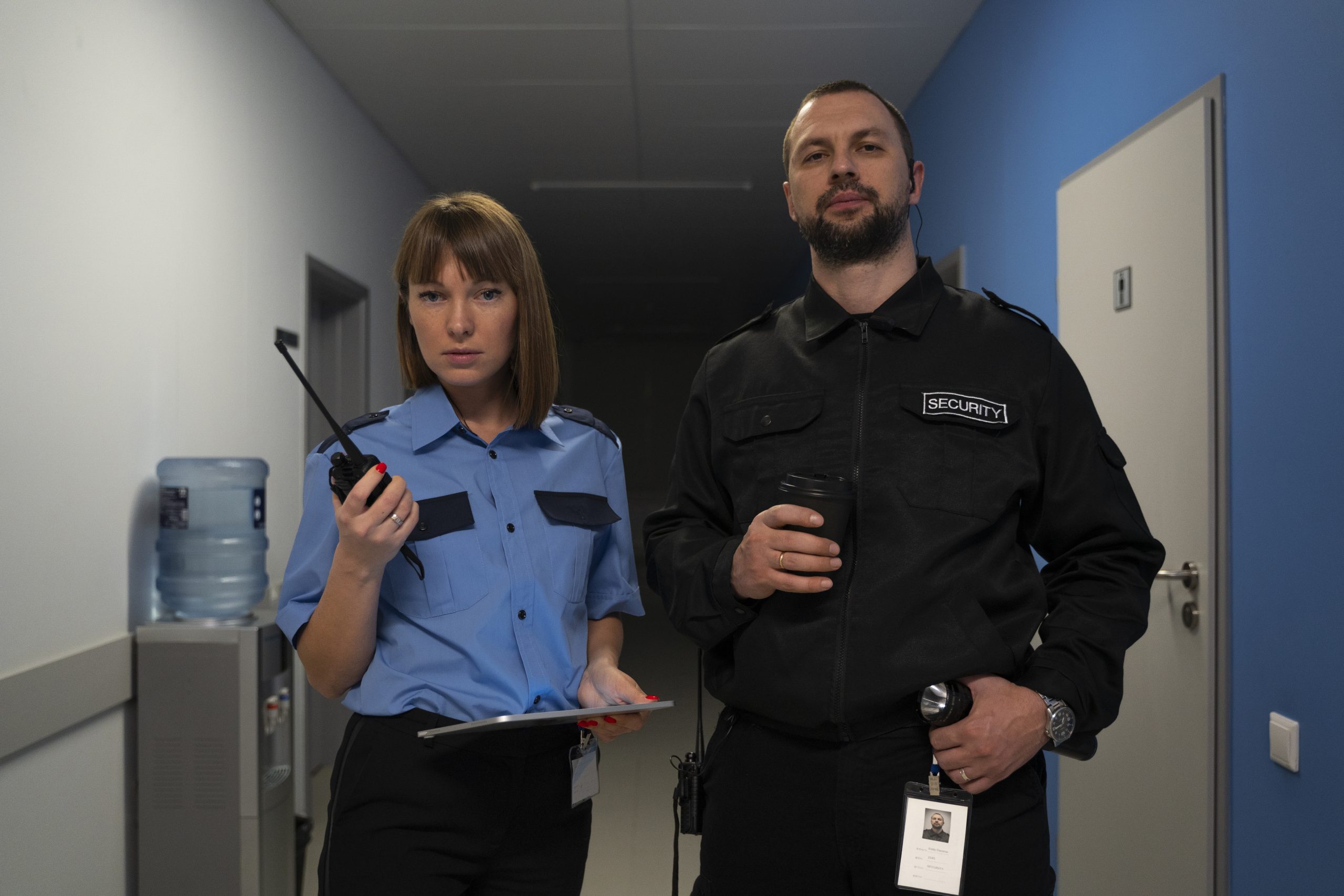
Event Security Guards Melbourne can support event organisers by managing queues, monitoring entrances, checking access credentials, protecting restricted areas, directing attendees, supporting emergency access, and responding to incidents according to established procedures.
At the same time, Security Guards Melbourne can work alongside event managers, venue teams, ticketing staff, technology systems, and emergency personnel to create a coordinated approach to event security.
The key is preparation. By assessing the venue layout, understanding expected crowd movements, identifying access requirements, and establishing clear communication procedures before the event begins, organisers can create a more efficient entry process.
Professional security personnel add a valuable human element to this process. Their ability to observe the environment, communicate with attendees, monitor access points, and respond to changing circumstances can help event organisers maintain better control over entrances while supporting a positive experience for guests.
Ultimately, effective entry management is about balancing security with efficiency. When appropriate planning, technology, trained personnel, and clear procedures work together, event organisers can create an entry process that is organised, responsive, and suited to the needs of their particular event.