Logistics and freight operations are the backbone of modern commerce. Every day, warehouses, distribution centres, transport depots, loading yards, and freight terminals handle valuable goods that need to move safely and efficiently from one destination to another. With so many people, vehicles, shipments, and assets operating within these environments, security has become a critical part of successful logistics management.
Businesses operating in Geelong and surrounding areas face a range of security challenges, including theft, unauthorised access, vandalism, cargo tampering, property damage, and disruptions to operations. While cameras, alarms, access-control systems, and other technologies can provide valuable support, having trained security professionals physically present can add an important layer of protection.
This is where Professional Security Guards Geelong can play an important role. From monitoring warehouses and freight yards to controlling access and responding to incidents, trained security personnel can help logistics businesses protect their assets, employees, visitors, and daily operations.
Understanding Security Challenges in Logistics and Freight Operations
Logistics facilities are often busy environments with multiple access points and continuous movement. Depending on the nature of the operation, a single site may include employees, contractors, drivers, suppliers, visitors, forklifts, delivery trucks, and freight vehicles.
This complexity can create security vulnerabilities.
Warehouses may contain high-value products, while freight yards can hold vehicles, equipment, containers, and shipments awaiting transportation. Unauthorised individuals attempting to enter a facility can potentially create financial losses or operational disruptions.
Common security concerns in logistics environments include:
- Theft of products, equipment, fuel, or vehicles
- Unauthorised access to restricted areas
- Cargo tampering or interference
- Vandalism and property damage
- Trespassing
- Suspicious activity around loading and unloading zones
- Employee or visitor access issues
- Security incidents occurring outside standard business hours
- Disruptions caused by unauthorised vehicles or individuals
- Delays resulting from security-related incidents
A comprehensive security strategy can help businesses identify and manage these risks before they develop into more serious problems.
The Role of Professional Security Guards Geelong in Logistics
Professional security guards provide a visible and responsive security presence. Their responsibilities can vary depending on the facility, operating hours, risk profile, and individual requirements of the business.
For logistics and freight companies, security officers may be responsible for monitoring entrances and exits, checking credentials, conducting patrols, observing CCTV systems, maintaining incident records, and responding to unusual activity.
Unlike security technology that primarily detects or records events, an on-site security guard can assess situations in real time and follow established procedures.
This human element can be particularly valuable in large logistics facilities where activity is constantly changing.
1. Protecting Warehouses and Distribution Centres
Warehouses can contain significant quantities of inventory, making them attractive targets for theft and unauthorised activity.
Professional security guards can monitor warehouse entrances, exits, loading docks, storage areas, and surrounding grounds. They can also help enforce established access-control procedures.
For example, security personnel may verify identification before allowing individuals into restricted areas. They can monitor unusual behaviour and report incidents according to the company’s security procedures.
A visible security presence can also help establish a controlled environment where employees, contractors, and visitors understand that security protocols are being actively enforced.
2. Monitoring Loading and Unloading Areas
Loading docks and freight yards are among the busiest areas of a logistics facility. Trucks arrive and depart, goods are transferred, paperwork is processed, and employees work around heavy machinery.
This constant activity can make it difficult to identify suspicious behaviour.
Security guards can monitor loading and unloading zones while supporting site procedures designed to control access. They can observe vehicle movements, identify unauthorised activity, and report irregularities.
By maintaining awareness around loading areas, security personnel can provide another layer of oversight during critical stages of the freight-handling process.
3. Preventing Unauthorised Access
Access control is one of the fundamental components of logistics security.
Large freight facilities may have several gates, doors, pedestrian entrances, vehicle entrances, and restricted areas. Without appropriate controls, unauthorised people may attempt to enter areas where they do not have permission to be.
Security guards can help manage access points by checking identification, confirming visitor details, directing authorised visitors, and monitoring restricted areas.
They can also follow procedures for dealing with individuals who cannot demonstrate an appropriate reason for being on-site.
This can reduce opportunities for trespassing and improve overall awareness of who is entering or leaving the facility.
4. Providing Security During After-Hours Operations
Security risks do not necessarily disappear when a warehouse closes for the day.
Many logistics businesses operate around the clock or have freight movements during evenings, weekends, and public holidays. Facilities may contain valuable stock and equipment even when fewer employees are present.
After-hours security patrols can help maintain a security presence during periods when there may be reduced activity.
Guards can conduct scheduled inspections of the property, check access points, monitor vulnerable areas, and report anything unusual.
This can be especially useful for large sites with extensive outdoor areas, vehicle yards, and multiple buildings.
5. Supporting Theft Prevention
Cargo theft can result in financial losses, customer dissatisfaction, insurance complications, and operational disruption.
Security guards cannot eliminate every possibility of theft, but they can contribute significantly to a broader loss-prevention strategy.
Their presence can discourage opportunistic criminal activity while allowing businesses to identify and report suspicious behaviour more quickly.
Security officers may also monitor procedures around the movement of goods, depending on their assigned responsibilities and the site’s security policies.
When combined with CCTV, access controls, lighting, alarms, inventory management, and staff awareness, professional security personnel can form an important part of a layered security strategy.
6. Protecting Vehicles, Equipment, and Freight Assets
Logistics operations depend heavily on vehicles and equipment. Trucks, trailers, forklifts, containers, fuel supplies, and other assets can represent substantial investments.
A security guard can monitor vehicle parking areas and equipment storage zones, helping identify suspicious activity and unauthorised access.
Regular patrols can also help identify damaged fencing, unsecured gates, broken lighting, or other physical security issues that could create vulnerabilities.
Reporting these issues promptly gives management an opportunity to address them before they contribute to a more significant incident.
7. Rapid Response to Security Incidents
One major advantage of having trained security personnel on-site is their ability to respond promptly when an incident occurs.
If an alarm is triggered, an unauthorised individual is discovered, or suspicious activity is observed, a security officer can follow the site’s established response procedures.
Depending on the circumstances, this may involve assessing the situation, notifying relevant management, contacting emergency services when appropriate, securing an area, or documenting the incident.
Fast communication and appropriate escalation can help reduce confusion and support an organised response.
8. Supporting Employee and Visitor Safety
Security in logistics facilities is not only about protecting physical assets. Employees, contractors, drivers, and visitors also need to feel safe while working or entering the premises.
Large industrial environments can have numerous people moving through the same areas. Security officers can help enforce site rules, control access to restricted zones, and respond to incidents that may affect safety or security.
A professional security presence can also give employees a clear point of contact when they notice suspicious behaviour or encounter a security concern.
9. Regular Security Patrols and Site Inspections
Security patrols are another useful component of logistics protection.
Depending on the requirements of a site, guards may conduct internal or external patrols at scheduled or variable intervals. During these patrols, they can inspect entrances, gates, fences, storage areas, parking zones, loading docks, and other designated locations.
Businesses operating across multiple locations may also consider specialised services such as Security Patrol Services Melbourne as part of a broader security strategy.
Patrol services can be particularly useful for businesses that require regular monitoring but do not necessarily need a security officer stationed at every location continuously.
10. Creating Detailed Incident Reports
Documentation is an important part of professional security operations.
When an incident, unusual activity, access issue, property concern, or other security event occurs, security officers can record relevant information according to established reporting procedures.
Incident reports can help management understand what happened, when it occurred, and what action was taken.
Over time, these records may also help businesses identify recurring issues and improve their security procedures.
For example, repeated incidents in a particular loading area could indicate a need for improved lighting, access controls, CCTV coverage, fencing, or changes to operating procedures.
11. Combining Human Security With Technology
Modern logistics facilities often use sophisticated security technology. CCTV cameras, access-control systems, alarms, automated gates, lighting, vehicle tracking, and monitoring platforms can all contribute to site security.
However, technology and personnel can work particularly effectively when used together.
Cameras may identify suspicious activity, while an on-site guard can investigate the situation. An alarm may indicate a potential intrusion, while trained personnel can follow the appropriate response procedure.
This layered approach allows businesses to combine automated monitoring with human judgement and physical presence.
12. Improving Customer Confidence
Logistics companies have responsibilities not only to their employees but also to customers whose goods they store or transport.
Customers expect their products to be handled responsibly and protected throughout the supply chain.
Visible security measures can demonstrate that a business takes asset protection seriously. Professional guards, controlled access points, surveillance systems, and documented security procedures can all contribute to a more secure operating environment.
This can be particularly important for businesses handling high-value, sensitive, or time-critical freight.
13. Helping Reduce Operational Disruptions
Security incidents can have consequences beyond the immediate loss or damage.
For example, theft may require an investigation, replacement of goods, insurance claims, customer communication, and changes to operating procedures. Vandalism may require repairs, while unauthorised access can disrupt employees and freight schedules.
Preventive security measures can help reduce the likelihood and potential impact of these disruptions.
By monitoring the property and responding to issues promptly, security personnel can support smoother day-to-day operations.
Choosing the Right Security Approach for a Logistics Business
Every logistics facility has different security requirements. A small distribution warehouse may need a different approach from a large freight terminal operating 24 hours a day.
Before engaging a security provider, businesses should consider factors such as:
- Size and layout of the facility
- Operating hours
- Number of entry and exit points
- Value and type of goods stored
- Volume of vehicle traffic
- Existing CCTV and alarm systems
- Previous security incidents
- Outdoor storage requirements
- Number of employees and contractors
- Need for static guards or mobile patrols
- Required incident-reporting procedures
A professional security provider can assess these factors and develop services around the specific needs of the site.
Why Professional Training Matters
Security work requires more than simply being present at a property. Professional guards should understand how to observe, communicate, document, and respond appropriately to different situations.
Training can help security officers manage access-control procedures, maintain accurate records, communicate with site management, identify potential risks, and follow established response protocols.
Professionalism is particularly important in logistics environments because guards regularly interact with employees, truck drivers, contractors, customers, and visitors.
A calm and respectful approach can help security operations complement the normal workflow of a busy facility rather than unnecessarily interfering with it.
Building a Layered Logistics Security Strategy
The most effective approach to logistics security is generally not based on a single measure.
Instead, businesses can combine several layers of protection.
A comprehensive strategy may include:
- Trained security personnel
- Mobile security patrols
- CCTV surveillance
- Alarm systems
- Controlled vehicle access
- Visitor management
- Perimeter fencing
- Adequate site lighting
- Secure storage areas
- Employee security awareness
- Incident reporting
- Regular risk assessments
Each layer can address different vulnerabilities. Security guards provide the human component, while technology and physical infrastructure provide additional barriers and monitoring capabilities.
Conclusion
Logistics and freight businesses operate in environments where valuable goods, vehicles, equipment, employees, and visitors are constantly moving. This creates security challenges that require careful planning and consistent monitoring.
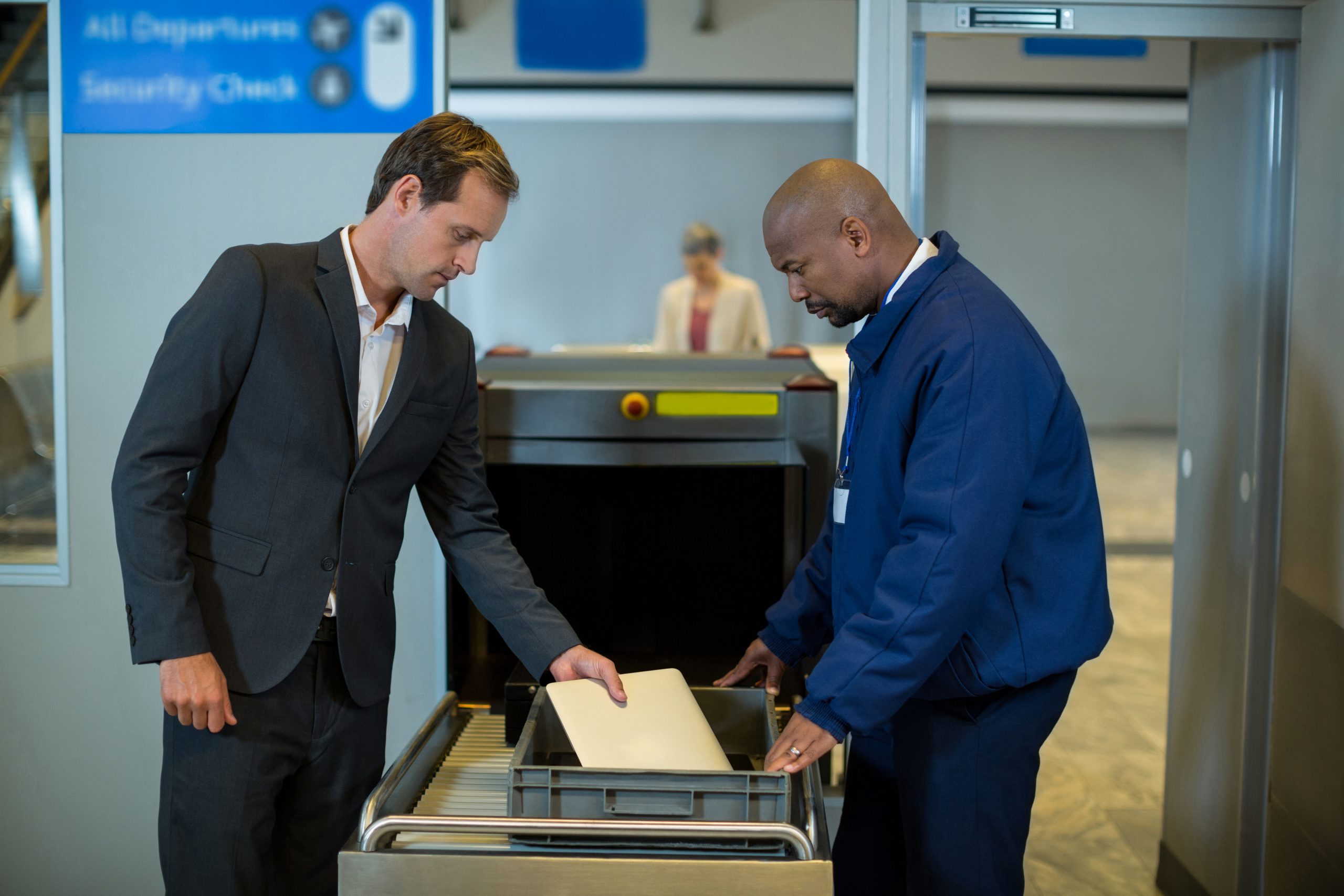
Professional Security Guards Geelong can provide an important physical security presence for warehouses, freight yards, distribution centres, and logistics facilities. Their responsibilities may include access control, site patrols, incident reporting, monitoring, theft prevention, and responding to security concerns.
At the same time, businesses with multiple sites or broader operational requirements may consider solutions such as Security Patrol Services Melbourne to complement on-site security and provide additional monitoring capabilities.
Ultimately, effective logistics security is about creating multiple layers of protection rather than relying on one solution. By combining trained personnel, technology, physical security measures, and well-defined procedures, logistics businesses can create a more controlled environment and better protect the assets and people that keep their operations moving.
For logistics companies in Geelong, investing in a professionally planned security strategy can therefore be an important part of protecting day-to-day operations, maintaining customer confidence, and supporting the long-term resilience of the business.