Managing security for a business with multiple locations is far more complex than protecting a single property. Offices, warehouses, retail stores, construction sites, and commercial facilities may each face different security risks, operating hours, and access requirements. A consistent and well-planned security strategy is therefore essential for protecting employees, customers, assets, and business operations across every site.
For companies operating across Melbourne, choosing the right security provider can make a significant difference. Professional security personnel can provide a visible deterrent, respond to incidents, monitor premises, and help maintain a safe environment. However, businesses need to consider several factors before deciding to Hire Security Guards Melbourne for a multi-site operation.
Understand the Security Requirements of Every Site
The first step is to identify the specific security requirements of each business location. A retail store may experience shoplifting and customer-related incidents, while a warehouse may be more vulnerable to theft, unauthorized access, or after-hours intrusion.
Conduct a security assessment for every site and identify:
- Entry and exit points
- Valuable equipment or inventory
- Operating and closing hours
- Previous security incidents
- Employee and visitor traffic
- Parking and surrounding areas
- Potential emergency situations
- High-risk periods during the day or night
This assessment helps businesses determine whether they need static guards, mobile patrols, access control officers, concierge security, or a combination of services.
Choose a Security Company With Multi-Site Experience
Not every security provider is equipped to manage a business operating across several locations. Multi-site security requires coordination, communication, consistent procedures, and effective supervision.
When evaluating providers, ask whether they have experience managing security across multiple commercial properties. A capable provider should be able to create a centralized security strategy while adapting procedures to the individual requirements of each location.
The provider should also have enough trained personnel to maintain coverage when employees are absent, shifts change, or additional security is required at short notice.
Consider Security Patrol Services Melbourne
For businesses with several locations, mobile patrols can be an efficient addition to on-site security. Security Patrol Services Melbourne can provide scheduled or random visits to different properties, helping identify suspicious activity, unauthorized access, property damage, and other potential risks.
Patrol officers can check doors, gates, windows, perimeter areas, parking facilities, and other vulnerable locations. Their presence can also discourage criminals who may target properties when they believe no security personnel are present.
For multi-site businesses, patrol schedules can be customized according to risk levels. A high-risk warehouse might require frequent overnight patrols, while a lower-risk office could receive fewer visits.
Decide Between Static Guards and Mobile Patrols
One of the most important decisions is determining which type of security coverage each site needs.
Static security guards remain at a specific location and can monitor entrances, verify visitors, control access, respond to incidents, and provide a visible security presence. This approach can be particularly useful for busy commercial buildings, retail facilities, warehouses, and sites with valuable assets.
Mobile patrols, on the other hand, allow security personnel to travel between locations. They can be especially useful when a business has multiple smaller sites that do not require a full-time guard.
Some businesses benefit from combining both approaches. For example, a company may have a security guard at its main headquarters while mobile patrol officers regularly inspect its smaller offices and storage facilities.
Verify Licenses, Training, and Experience
Before hiring a security provider, businesses should verify that security personnel are appropriately licensed and trained for their roles. Professional guards should understand relevant security procedures, emergency response protocols, communication practices, and workplace safety requirements.
Depending on the role, businesses may also need guards with experience in access control, crowd management, alarm response, loss prevention, or conflict management.
Ask potential providers about:
- Security guard licensing
- Staff training programs
- Experience with commercial clients
- Supervisor availability
- Emergency response procedures
- Incident reporting systems
- Staff replacement procedures
- Quality-control processes
Choosing properly trained personnel can help businesses maintain a more reliable security operation across all locations.
Establish Consistent Security Procedures
Multi-site operations can become difficult to manage when every location follows completely different security procedures. While each property may have unique risks, core policies should remain consistent.
Develop standardized procedures for activities such as opening and closing facilities, visitor verification, key management, incident reporting, emergency response, and suspicious activity reporting.
A centralized security policy allows management to understand what is happening at different locations and ensures that security personnel have clear expectations.
Use Technology to Support Security Personnel
Modern security operations can combine trained personnel with technology to improve visibility and response times. CCTV systems, access control technology, alarms, intercoms, and remote monitoring can support guards in their daily responsibilities.
However, technology should complement—not necessarily replace—professional security personnel. Cameras may record suspicious activity, but a trained guard can physically investigate an incident, communicate with employees, control access, or respond to an emergency.
For multi-site businesses, integrated technology can also make it easier for management and security supervisors to monitor activity across multiple properties.
Create a Strong Communication System
Communication is particularly important when security personnel are working across multiple locations. Employees, supervisors, site managers, and security teams should know how to communicate during routine operations and emergencies.
Security companies should establish clear communication channels for reporting incidents, requesting assistance, escalating serious situations, and documenting security concerns.
A centralized reporting system can help management identify recurring problems across different sites. For example, if several locations experience unauthorized access attempts, management can review the reports and introduce additional preventive measures.
Review Incident Reporting Procedures
Professional security services should include clear and detailed incident reporting. Every significant event should be documented so management can understand what happened and determine whether additional measures are necessary.
Reports may include information about:
- Date and time of the incident
- Location
- People involved
- Actions taken by security personnel
- Property damage or losses
- Witness information
- Follow-up recommendations
Consistent reporting allows businesses to compare security performance between locations and identify patterns that might otherwise go unnoticed.
Consider Scalability and Future Business Growth
A security provider should be able to grow with your business. If your company opens additional offices, warehouses, stores, or facilities, you should not have to completely redesign your security arrangements.
When you Hire Security Guards Melbourne, discuss your future expansion plans with the provider. Ask whether they can increase staffing, introduce patrol coverage, or deploy additional personnel when required.
Scalable security planning can make expansion easier while maintaining consistent protection across the company’s growing network of locations.
Evaluate Costs Without Sacrificing Quality
Cost is naturally an important consideration, but choosing the cheapest security service may not provide the best value. Businesses should evaluate the overall quality and reliability of the service rather than focusing only on hourly rates.
Compare providers based on staffing, experience, training, supervision, technology, reporting, response capabilities, and flexibility.
A professional security provider should offer a clear pricing structure and explain what is included in the service. This helps businesses avoid unexpected charges and determine whether the proposed security solution meets their requirements.
Monitor Performance Regularly
Hiring a security company is not the final step. Businesses should regularly evaluate whether their security strategy is working effectively.
Management can review incident reports, patrol records, guard performance, employee feedback, and emerging security risks. Regular meetings with the security provider can also help identify opportunities for improvement.
Security requirements can change over time. New employees, construction projects, changes in operating hours, business expansion, or increases in local crime can all affect the level of protection required.
Final Thoughts
Managing security across multiple business locations requires careful planning, reliable personnel, strong communication, and consistent procedures. Businesses should begin by assessing the individual risks of each property and then select a security provider capable of delivering flexible, scalable services.
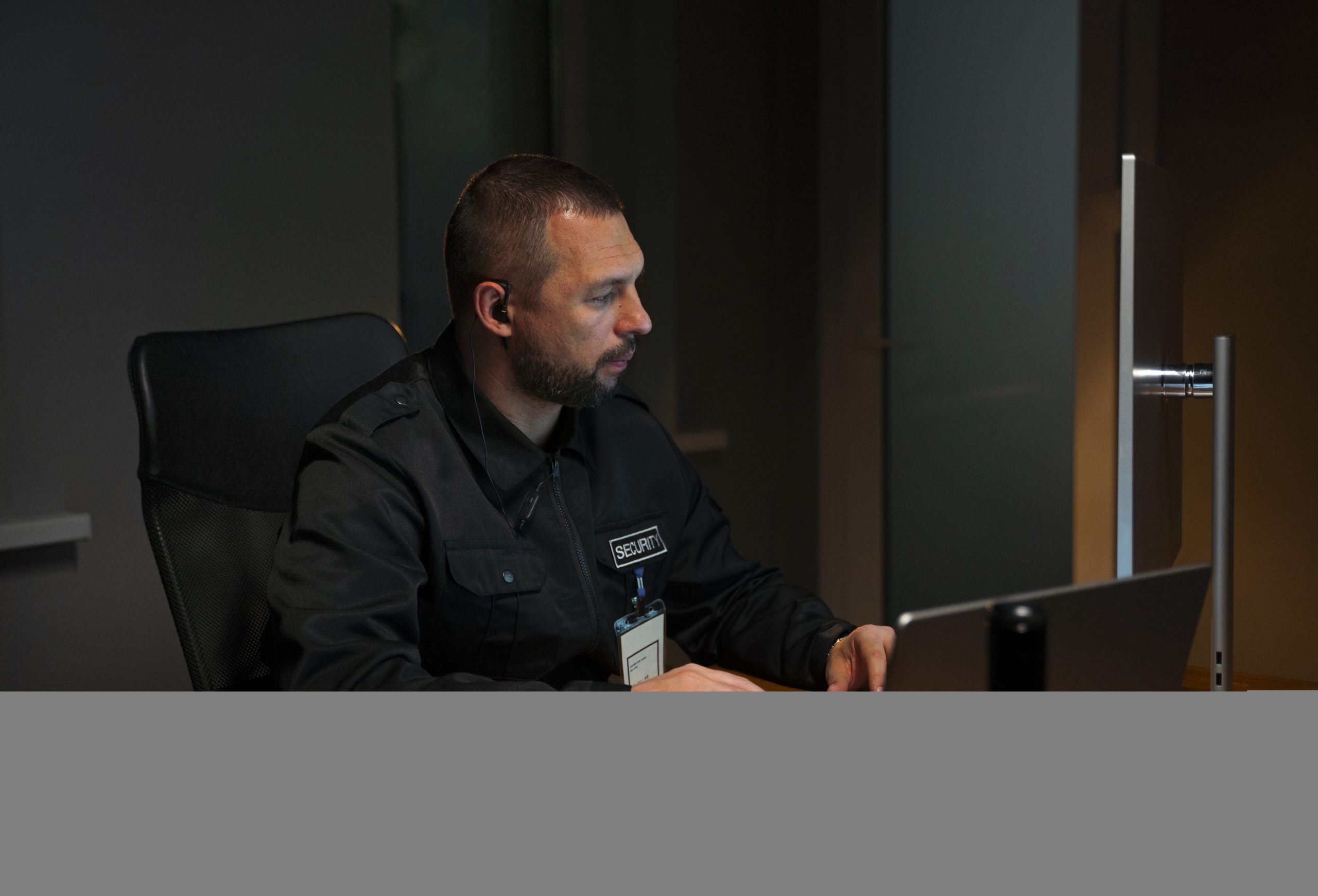
When you Hire Security Guards Melbourne, consider providers that can combine trained on-site personnel with Security Patrol Services Melbourne, modern security technology, detailed reporting, and effective supervision. The right security strategy can help protect valuable assets, improve workplace safety, deter criminal activity, and give employees and customers greater confidence.
By regularly reviewing security performance and adapting services to changing risks, multi-site businesses can build a comprehensive security operation that supports both day-to-day activities and long-term growth.